
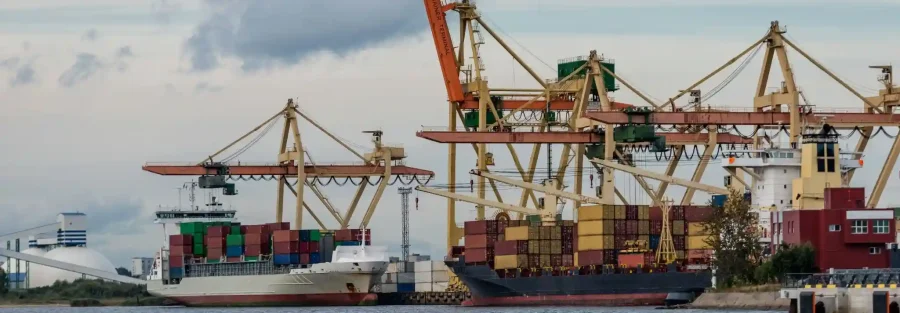
International trade is the lifeblood of the global economy, enabling countries to exchange goods, services, and resources. As nations become increasingly interconnected, understanding the types of international trade is essential for businesses and policymakers alike. This article delves into the fundamental types of international trade, exploring their characteristics, benefits, and impacts on global commerce. By grasping these concepts, businesses can better navigate the complexities of international markets and seize opportunities for growth and collaboration.
Understanding International Trade
What is International Trade?
International trade refers to the exchange of goods and services across international borders. This exchange allows countries to benefit from each other’s resources, expertise, and products. The essence of international trade lies in the comparative advantage theory, which suggests that countries should specialize in producing goods and services for which they have a relative efficiency. This specialization leads to increased productivity and economic growth.
As globalization continues to shape the business landscape, understanding the different types of international trade becomes critical. Each type has its own unique characteristics and implications, influencing how companies operate in the global market.
The Importance of International Trade
Engaging in international trade offers numerous advantages. It provides access to larger markets, allowing businesses to expand their customer base and increase revenue. Moreover, international trade fosters competition, which can lead to innovation and improved product quality. Additionally, countries can diversify their economies, reducing dependence on domestic markets.
Understanding the types of international trade is vital for businesses seeking to expand globally. It helps them tailor their strategies to specific market conditions, navigate regulatory environments, and build effective partnerships.
Types of International Trade
1. Export Trade
Export trade involves selling goods and services produced in one country to buyers in another. This type of trade is fundamental to international commerce, allowing countries to capitalize on their production capabilities. Exporting can take various forms, including direct sales to foreign customers, distribution through local agents, or online sales via e-commerce platforms.
Characteristics of Export Trade
Export trade is characterized by its reliance on foreign markets for sales. Companies must consider factors such as demand, pricing, and competitive dynamics in the target market. Additionally, businesses must navigate trade regulations, tariffs, and customs procedures to ensure compliance and facilitate smooth transactions.
For instance, when a U.S.-based agricultural company exports corn to Europe, it must adhere to European Union regulations regarding food safety, labeling, and quality standards. Successful exporters often build strong relationships with local distributors and partners to enhance their market presence and navigate logistical challenges.
Benefits of Export Trade
Engaging in export trade offers several benefits. First, it provides access to larger markets, which can lead to increased sales and revenue. Second, exporting allows companies to diversify their customer base, reducing reliance on domestic markets. This diversification can help mitigate risks associated with economic downturns or fluctuations in domestic demand.
2. Import Trade
Import trade involves bringing goods and services into a country from foreign suppliers. This type of trade enables countries to access products that may not be available domestically or are produced more efficiently abroad. Importing can include raw materials, finished goods, or services.
Characteristics of Import Trade
Import trade is defined by its focus on acquiring goods and services from international markets. Companies must assess factors such as pricing, quality, and supplier reliability when selecting import partners. Additionally, businesses must navigate customs regulations and tariffs to ensure compliance and minimize costs.
For example, a technology company in Japan may import microchips from the United States to incorporate into its products. By sourcing components globally, the company can enhance its product offerings and maintain a competitive edge in the market.
Benefits of Import Trade
Import trade offers numerous advantages to businesses and consumers alike. It provides access to a wider variety of products, often at lower prices due to competition among suppliers. Additionally, importing allows companies to acquire specialized goods or raw materials that may not be available domestically, leading to improved production capabilities and innovation.
3. Trade in Services
While much of international trade involves the exchange of physical goods, trade in services has gained significant prominence in recent years. This type of trade includes a wide range of services, such as consulting, financial services, tourism, and information technology.
Characteristics of Trade in Services
Trade in services is characterized by the intangible nature of the offerings. Unlike physical goods, services cannot be stored or transported in the same way. As a result, service providers often rely on digital platforms and technology to deliver their offerings to international clients.
For example, a software development company in India may provide IT outsourcing services to businesses in the United States. This type of service trade allows companies to access specialized skills and expertise while benefiting from cost efficiencies.
Benefits of Trade in Services
Engaging in trade in services offers several advantages. It provides companies with access to global markets and diverse clientele, leading to increased revenue potential. Additionally, trade in services often involves lower transportation costs and fewer regulatory barriers compared to trading physical goods.
4. Bilateral and Multilateral Trade
Bilateral trade involves trade agreements between two countries, while multilateral trade involves agreements among multiple countries. These trade agreements can significantly impact international trade dynamics, influencing tariffs, quotas, and regulations.
Characteristics of Bilateral Trade
Bilateral trade agreements typically focus on reducing trade barriers between two nations. These agreements may involve negotiations on tariffs, quotas, and trade regulations to facilitate smoother trade flows. For example, the United States and Canada have a long-standing bilateral trade agreement that governs various aspects of trade between the two nations.
The Role of International Organisations in Trade
1. World Trade Organization (WTO)
The World Trade Organization is a key player in regulating international trade. Established in 1995, the WTO aims to promote free trade and ensure that trade flows as smoothly and predictably as possible. The organization provides a platform for member countries to negotiate trade agreements, resolve disputes, and establish trade rules.
Importance of the WTO
The WTO plays a critical role in facilitating multilateral trade negotiations and ensuring compliance with trade agreements. By providing a forum for dialogue and collaboration, the WTO helps member countries address trade-related challenges and promote economic cooperation.
Challenges in International Trade
1. Trade Barriers
Trade barriers, such as tariffs and quotas, can hinder international trade by increasing costs and limiting market access. Countries may impose trade barriers to protect domestic industries or address trade imbalances. Understanding these barriers is crucial for businesses looking to expand internationally.
Addressing Trade Barriers
To navigate trade barriers, companies can engage in advocacy efforts, leverage trade agreements, and conduct thorough market research. By understanding the regulatory landscape, businesses can identify opportunities to mitigate barriers and enhance their market access.
2. Cultural Differences
Cultural differences can pose challenges in international trade, affecting communication, negotiations, and business practices. Understanding and respecting cultural nuances is vital for building successful relationships with international partners.
Navigating Cultural Differences
Companies can navigate cultural differences by investing in cross-cultural training for employees, conducting market research, and fostering open communication. By embracing cultural diversity, businesses can enhance their global operations and strengthen their international relationships.
Future Trends in International Trade
1. Digital Transformation
The digital revolution is reshaping international trade, making it more accessible and efficient. E-commerce platforms, digital payment systems, and advanced logistics solutions are transforming how businesses engage in trade.
Embracing Digital Solutions
Companies that leverage digital solutions can streamline their operations, reduce costs, and enhance customer experiences. Embracing technology will be crucial for businesses seeking to thrive in the evolving landscape of international trade.
2. Sustainability
As global awareness of environmental issues increases, sustainability is becoming a significant factor in international trade. Countries and consumers alike are prioritizing environmentally friendly practices, prompting businesses to adopt sustainable supply chain strategies.
Adopting Sustainable Practices
Companies that prioritize sustainability can enhance their brand reputation, attract environmentally conscious consumers, and mitigate risks associated with regulatory compliance. By integrating sustainability into their trade strategies, businesses can contribute to a more sustainable global economy.
Conclusion
Understanding the types of international trade is essential for businesses seeking to thrive in the global marketplace. Each type of trade offers unique opportunities and challenges, shaping how companies operate and engage with international partners. By grasping the nuances of export trade, import trade, trade in services, and various trade agreements, businesses can develop effective strategies that drive growth and foster collaboration. As the landscape of international trade continues to evolve, embracing digital transformation and sustainability will be crucial for success in the years to come.