
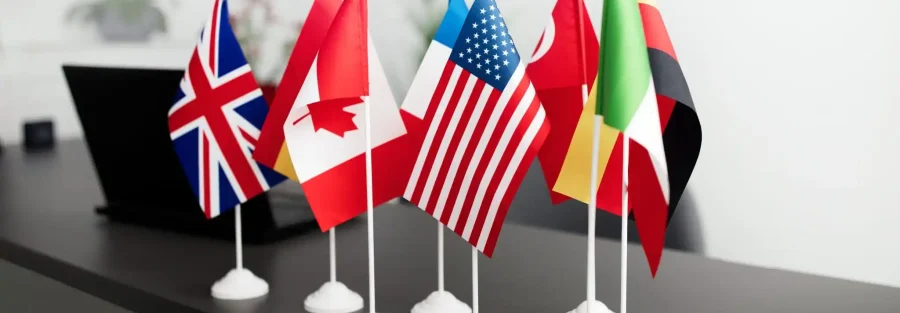
Small and medium-sized enterprises, or SMEs, are essential to the global economy. They drive innovation, create jobs, and contribute significantly to GDP in many countries. However, competing in the international market can be challenging for these smaller companies. Trade agreements for SMEs help level the playing field by providing access to new markets and reducing barriers to trade. Understanding which agreements are most impactful is vital for SMEs looking to expand their horizons.
Trade Agreements for SMEs
Trade agreements are treaties between countries that establish the rules for trade between them. Their purpose is to facilitate trade by reducing tariffs and other barriers, making it easier for businesses to operate across borders. While large corporations often have the resources to navigate international trade, SMEs may struggle to do so. Trade agreements for SMEs are specifically designed to support these businesses, recognizing their unique needs and challenges.
These agreements can offer various benefits that larger firms might take for granted. For example, SMEs often face higher costs per unit when exporting due to smaller production volumes. Trade agreements can help mitigate these costs by providing financial incentives and easing regulatory burdens.
Key International Trade Agreements Impacting SMEs
United States-Mexico-Canada Agreement (USMCA)
The USMCA is a significant trade agreement that directly impacts many SMEs in North America. This agreement replaces NAFTA and includes provisions that specifically benefit smaller businesses. For instance, it increases the de minimis threshold for duty-free shipments, allowing SMEs to ship goods without incurring tariffs. This change is particularly beneficial for e-commerce businesses that want to reach customers across borders.
Additionally, the USMCA emphasizes digital trade, making it easier for SMEs to engage in online markets. By simplifying customs procedures and protecting intellectual property rights, this agreement creates a more favorable environment for smaller firms looking to export their goods and services.
Comprehensive and Progressive Agreement for Trans-Pacific Partnership (CPTPP)
The CPTPP is another critical trade agreement that can help SMEs enter new markets. It includes countries like Japan, Canada, and Australia, providing extensive growth opportunities. The CPTPP aims to reduce tariffs on goods traded among member countries, which can significantly lower costs for SMEs.
Furthermore, the agreement includes provisions that facilitate trade in services and investment. This is crucial for SMEs looking to expand their operations internationally. By reducing barriers and providing a clearer framework for trade, the CPTPP enables smaller businesses to compete more effectively on a global scale.
European Union Trade Agreements
The European Union has established several trade agreements that influence SMEs within its member states. These agreements streamline trade by allowing goods to move freely across borders and aligning regulatory standards. For SMEs, this means easier access to a vast single market, which can lead to increased sales and growth.
Moreover, EU trade agreements often include support for small businesses, such as training programs and access to information on market conditions. This support can help SMEs prepare for international trade by providing the knowledge and resources they need to succeed.
African Continental Free Trade Area (AfCFTA)
The AfCFTA represents a significant opportunity for SMEs in Africa. This agreement aims to boost intra-African trade by reducing tariffs and promoting economic integration. For many small businesses on the continent, this is a game-changer. The potential for increased trade among African nations can lead to greater market access and economic growth.
By fostering a more interconnected economy, the AfCFTA encourages collaboration among SMEs in different countries. This collaboration can lead to joint ventures, partnerships, and shared resources, ultimately enhancing the competitiveness of small businesses across Africa.
Strategic Advantages Offered by Trade Agreements
Trade agreements for SMEs provide several strategic advantages. First, they often reduce tariffs and eliminate non-tariff barriers, making it more affordable for smaller businesses to enter international markets. This can lead to increased sales and revenue, allowing SMEs to grow and invest in their operations.
Additionally, these agreements can facilitate access to foreign markets, providing valuable opportunities for expansion. SMEs can reach new customers and diversify their revenue streams, which is crucial for long-term sustainability.
Finally, trade agreements encourage collaboration and partnerships. By connecting SMEs with other businesses and organizations, these agreements create networks that can lead to new opportunities and resources. This collaborative environment is essential for fostering innovation and growth.
Challenges and Considerations for SMEs
While trade agreements offer many benefits, SMEs also face unique challenges. Navigating complex regulations can be daunting, especially for smaller firms with limited resources. Compliance with international standards and requirements can add layers of complexity to the export process.
Additionally, understanding local market conditions is vital. Each country has its own cultural and economic context, and SMEs must research these factors to succeed. Relying too heavily on international markets can also pose risks. Economic downturns or changes in trade policies can impact revenue and stability.
Decision-Making Framework for SMEs
When considering trade agreements for SMEs, a strategic approach is essential. SMEs should assess the relevance of each agreement to their business model and objectives. Evaluating potential markets and understanding the specific benefits of each agreement can help guide decision-making.
Tools and resources are available to assist SMEs in this process. Government agencies, trade associations, and business development organizations often provide information and support to help small businesses navigate trade agreements. Integrating these agreements into your business planning can lead to more informed decisions and better outcomes.
Real-World Execution and Case Studies
Many SMEs have successfully utilized trade agreements to grow their businesses. For example, a small manufacturing firm in the U.S. may have taken advantage of the USMCA to expand its export market to Canada and Mexico. By understanding the benefits of the agreement, the firm was able to streamline its shipping process and increase sales.
Another example can be seen in an African tech startup that has leveraged the AfCFTA to collaborate with other SMEs across the continent. This collaboration has allowed them to share resources and access new markets, leading to mutual growth and success.
These real-world examples illustrate the potential of trade agreements for SMEs. However, they also highlight the importance of careful planning and execution. By learning from these cases, other businesses can develop strategies to maximize the benefits of trade agreements.
Conclusion
Trade agreements for SMEs play a vital role in enhancing competitiveness and market access. By understanding the key agreements and their implications, small businesses can make informed decisions that drive growth. While challenges exist, the opportunities presented by these agreements can help SMEs thrive in a global economy.
As the landscape of international trade continues to evolve, SMES need to stay informed and adaptable. Engaging with trade agreements is not just a strategy for growth; it is a pathway to a more sustainable and prosperous future in the international market.
FAQs
1. What are trade agreements for SMEs?
Trade agreements for SMEs are treaties that reduce trade barriers, making it easier for small businesses to access international markets and compete globally.
2. How do trade agreements benefit small businesses?
Trade agreements lower tariffs, simplify regulations, and enhance market access, allowing small businesses to expand their reach and increase sales.
3. Which trade agreements are most influential for SMEs?
Key agreements include the USMCA, CPTPP, EU trade agreements, and AfCFTA, each providing unique benefits for small businesses in different regions.
4. What challenges do SMEs face with trade agreements?
SMEs often deal with complex regulations, understanding local market conditions, and the risks of relying too heavily on international markets.
5. How can SMEs effectively utilize trade agreements?
SMEs should assess the relevance of trade agreements to their business, use available resources for support, and integrate these agreements into their strategic planning.