
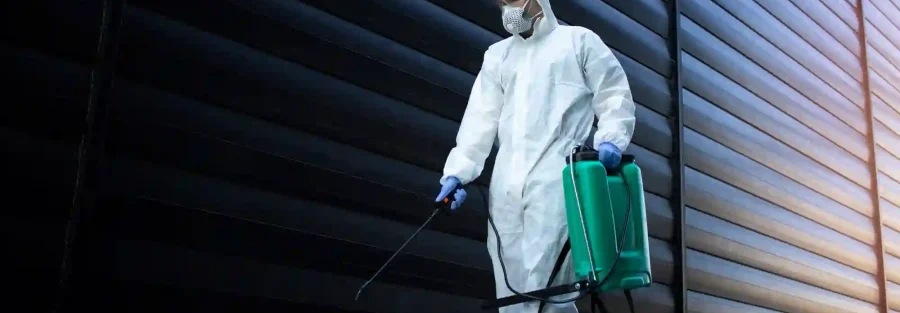
Pesticide Licensing training offers various programs through which individuals can obtain their required license. Training varies by role. Some choose to work for themselves, while others choose to work for someone else.
There are vast areas where pest controllers are required. Whether it’s the government sector or the public sector, both need to follow specific training that guides them on procedures and safety measures.
Obtaining a license involves both completing training and successfully passing an examination on safety and regulations. This is an important requirement for working with restricted-use pesticides (RUPs). It ensures safety and helps establish trust in applicators who stick to environmental laws designed to protect our environment.
Private Applicator Training
If you are a farmer who wants to use restricted-use pesticides (RUPs) on your land, you may need private applicator training for pesticide licensing. This training program teaches you how to safely handle chemicals to make sure the crop’s health is maintained.
A farmer is given specific training because crops are sensitive in handling. Improper use of pesticides can destroy the field, causing significant financial loss and environmental damage. The training also helps identify pests so they can choose the right pesticide in the right amount.
Professional Commercial Training
A pest service provider who works across different commercial areas requires the right training, which typically covers pest biology, safety, and the law. Pest biology helps identify pests that may not require pesticides for control. They teach non-chemical pest-control techniques for these pests.
Before taking the exam, you need to complete a technician training course. As this job is in the public sector, it helps you identify public health pests and trains you in indoor residual spraying and the safe disposal of toxic waste.
Core Manual Training
When you choose your specialized license, you must complete core manual training, which is a foundational education program. This provides basic knowledge on the safe handling of toxic chemicals. Whether the applicant wants to work in any sector, such as agriculture, structural, or commercial, this manual training provides a basic understanding.
Structural Pest Control Training
A structural pest control license is needed when you offer your services to homes, offices, or warehouses. The training mainly focuses on managing pests such as termites, ants, and roaches. There are various pests that invade buildings and need to be controlled on time. A structural pest controller can easily help them.
They are trained in techniques like fumigation of store products and preservation of structural wood in environments like shops, homes, and schools.
Pesticide Dealer Training
There are various people who don’t perform pesticide control activity, but instead choose to become dealers. Training for pesticide dealers makes sure that the individual who is selling the chemicals knows how to handle and store them safely.
They are trained to take immediate action to prevent damage when hazards arise. The course mainly includes location security, emergency planning, proper disposal, and label comprehension.
As we discussed, obtaining a pest training license requires specific training. You must be certain about which sector you want to work in so you can select the appropriate training program.